
Bollards
High-Quality Steel Bollards. Built in Canada by Certified Welders. Designed for Commercial, Retail and Industrial environments.
Looking for the Cheapest Bollards?
We’re probably not the right fit. Top brands like Ikea and Amazon choose PROGUARD because they value:
- Canadian-made quality
- Ready-to-ship inventory
- Faster lead times
- Engineering & specification support
- Standardized products that simplify ordering
- Reliable supply from Canadian inventory
- Fewer project delays
Know what you want? Shop Online below…
Our Clients:



-
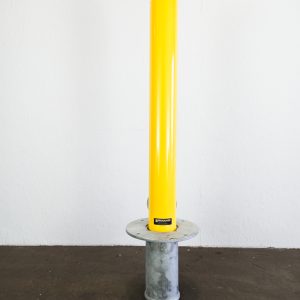
BOLLARD – REMOVABLE 4.5″ Dia x 36″ Tall (Includes Retrofit Embedment Sleeve)
$685.77 -

BOLLARD – REMOVABLE 4.5″ Dia x 36″ Height (Includes Cast-in-Place Embedment Sleeve)
$548.62 -

BOLLARD – SURFACE MOUNT 3” Dia x 40” Tall
$214.37 -
Sale!

BOLLARD – SURFACE MOUNT 10 Gauge 4.5″Dia x 36″ Tall
Original price was: $162.43.$149.99Current price is: $149.99. -
Sale!
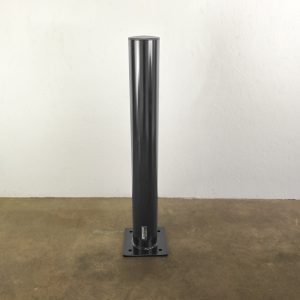
BOLLARD – SURFACE MOUNT 10 Gauge 4.5″Dia x 36″ Tall – Black
Original price was: $162.43.$149.99Current price is: $149.99. -
Sale!
BOLLARD – SURFACE MOUNT 10 Gauge 4.5″Dia x 42″ Tall
Original price was: $187.54.$169.99Current price is: $169.99. -
Sale!
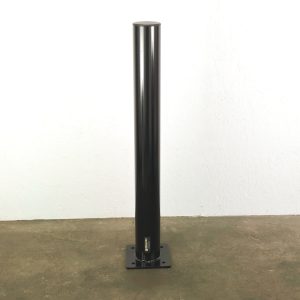
BOLLARD – SURFACE MOUNT 10 Gauge 4.5″Dia x 42″ Tall BLACK
Original price was: $187.54.$169.99Current price is: $169.99. -
Sale!

BOLLARD – SURFACE MOUNT 10 Gauge 4.5″Dia x 48″ Tall
Original price was: $212.64.$189.99Current price is: $189.99. -
Sale!

BOLLARD – SURFACE MOUNT 10 Gauge 4.5″Dia x 48″ Tall BLACK
Original price was: $212.64.$189.99Current price is: $189.99. -
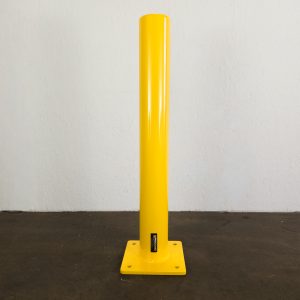
BOLLARD – SURFACE MOUNT 4.5” Dia x 36” Tall
$264.83 -
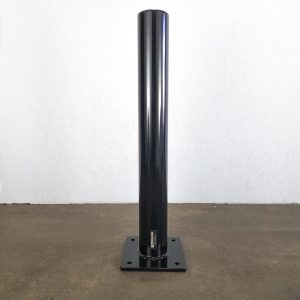
BOLLARD – SURFACE MOUNT 4.5” Dia x 36” Tall BLACK
$264.83 -
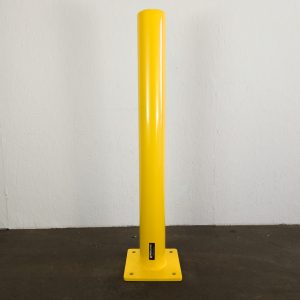
BOLLARD – SURFACE MOUNT 4.5” Dia x 42” Tall
$285.68 -
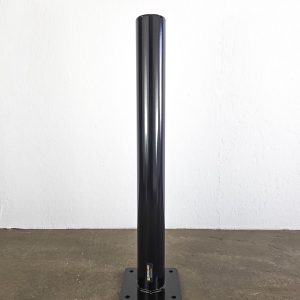
BOLLARD – SURFACE MOUNT 4.5” Dia x 42” Tall Black
$285.68 -

BOLLARD – SURFACE MOUNT 4.5” Dia x 48” Tall Black
$306.53 -

BOLLARD – SURFACE MOUNT 4.5” Dia x 48” Tall Yellow
$306.53 -
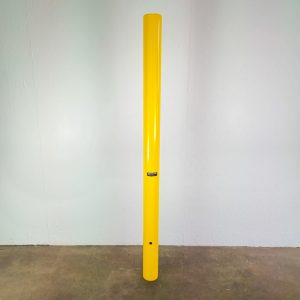
BOLLARD – POUR IN PLACE 4.5” Dia x 48” Tall with 24″ Embedment
$275.76 -

BOLLARD – SURFACE MOUNT 6.6” Dia x 36” Tall
$443.18 -
BOLLARD – SURFACE MOUNT 6.6” Dia x 42” Tall
$469.95 -
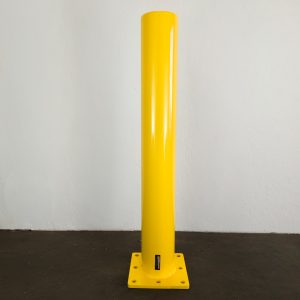
BOLLARD – SURFACE MOUNT 6.6” Dia x 48” Tall Yellow
$499.95 -

BOLLARD – POUR IN PLACE 4.5″ Dia x 48″ Tall with 24″ Embedment – Galvanized
$225.67 -
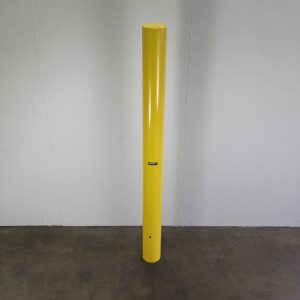
BOLLARD – POUR IN PLACE 6.6″ Dia x 48″ Tall with 36″ Embedment
$478.15 -
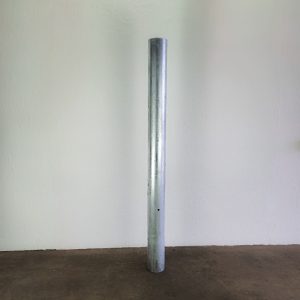
BOLLARD – POUR IN PLACE 6.6″ Dia x 48″ Tall with 36″ Embedment – Galvanized
$410.59
Frequently Asked Questions
In the context of a bollard, the “gauge” refers to the thickness of the steel used to manufacture the pipe. The lower the gauge, the thicker the steel. 10 gauge is considered a medium-heavy option (strong enough for light to moderate impact protection)
Surface mount bollards are installed by anchoring them to the surface of concrete or asphalt using bolts. They’re easier to install and are ideal for areas where core drilling isn’t feasible. Pour-in-place bollards, on the other hand, are embedded directly into freshly poured concrete, offering greater strength and durability for high-impact applications.
Bollard height typically ranges from 36 to 48 inches above ground, depending on the application. For pedestrian safety or vehicle deterrence, 36 inches is often sufficient. However, for applications like storefront protection or anti-ram security, a 42–48 inch bollard provides more visibility and impact resistance.
No, bollards do not have to be yellow, but high-visibility colors like yellow are commonly used for safety and compliance with standards, especially in industrial or traffic-heavy areas. Our Bollards can be powder-coated in custom colors for a more aesthetic integration with their surroundings.
Unfortunately, no. Our range of products focuses on heavier duty protection. We can enhance the appearance of bollards with custom colors, without the need for additional covers.
Bollards create a strong barrier between vehicles, walkways, and storefronts. They protect pedestrians, enhance parking lot safety, and prevent accidental damage to the front of stores.